🌟 Been part of the adventure? Share your 25th Allerton story with us! → Share your story
Garston to the Vale Pollinator Trail
Joining up the planting already growing along St Mary's Road and Aigburth Road with new themed junction gardens, to make one connected, flower-rich corridor for bees, moths and other pollinators from Garston village to Aigburth Vale. Designed with local schoolchildren and looked after by neighbours.
6
new junction gardens in stage 1, linking up existing planting
3
local schools designing, growing and counting insects
4
wards: Garston, Grassendale & Cressington, Aigburth and Mossley Hill
1,600+
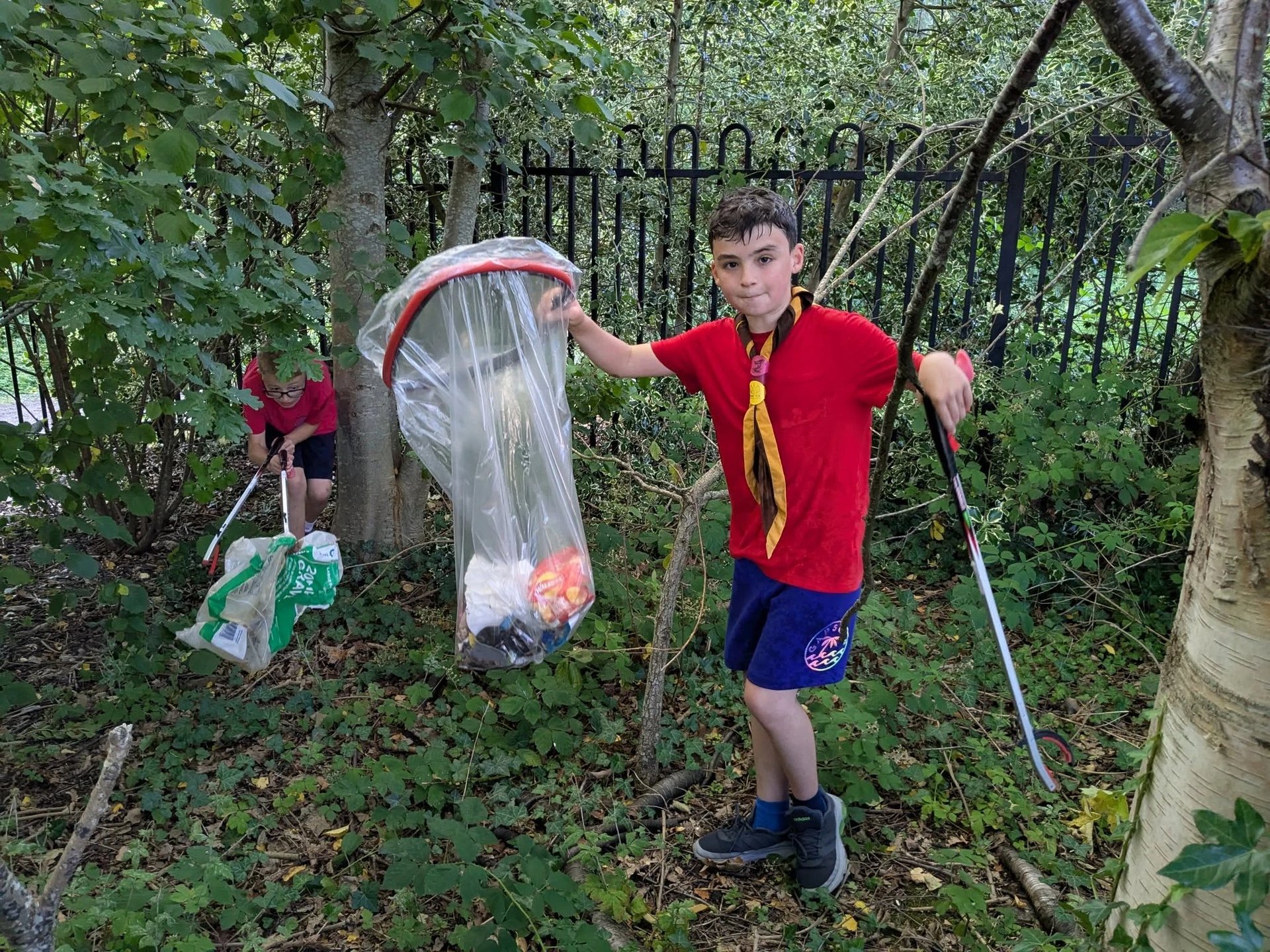
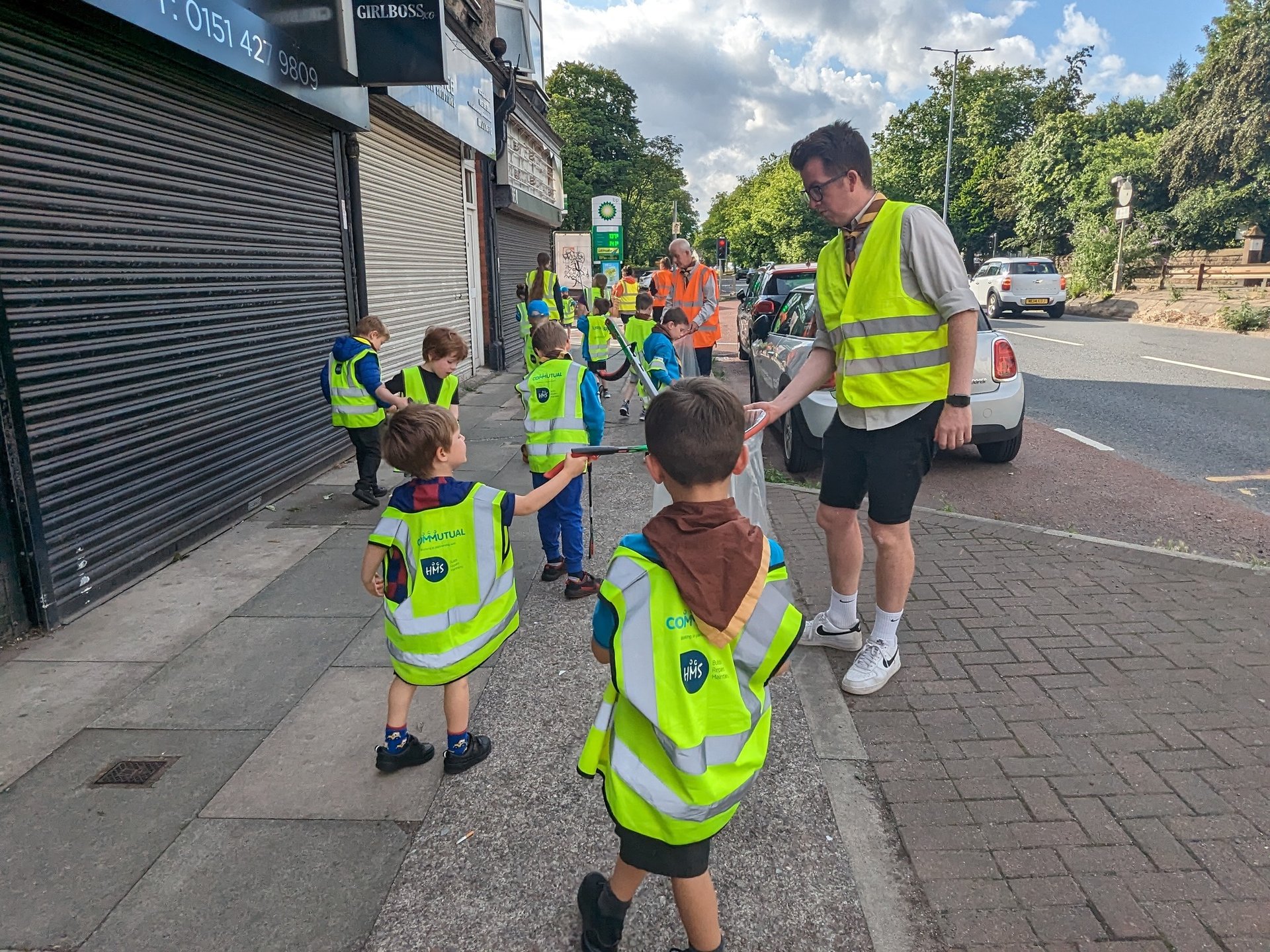
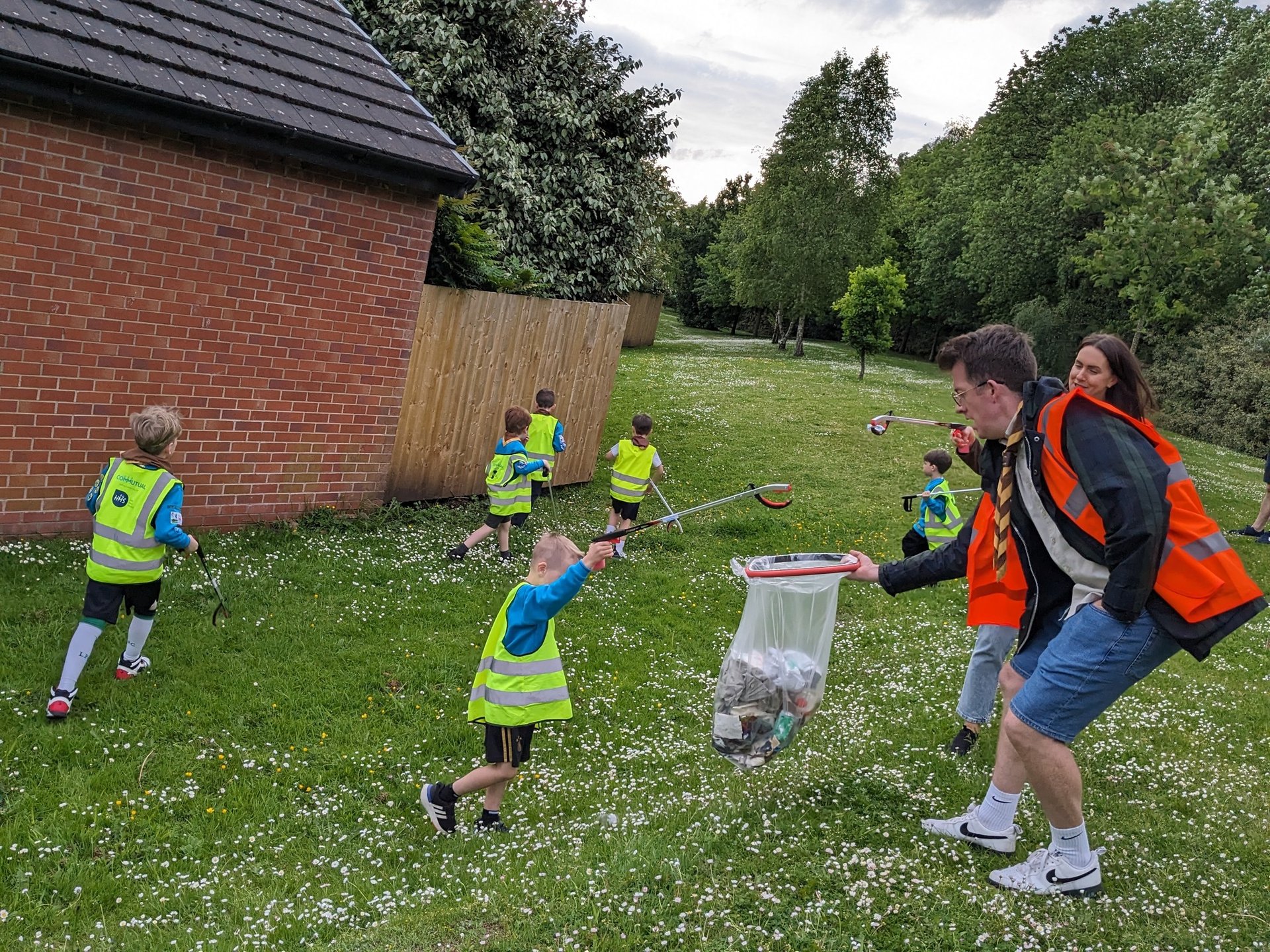
bags of litter cleared by the Cressington Wombles since 2023
Why a pollinator trail?
Bees, hoverflies and moths have lost most of their wildflower habitat. Scattered flower beds help, but pollinators do best when there's food all the way along a route, with plenty of different flowers from spring to autumn.
There's already planting along the road: our planters near St Mary's Church, the Scout hut and the Toby Carvery, the Eslington Street green space the Wombles have adopted, and gardens and green spaces looked after by neighbours, schools and churches. The trail ties these together into one plan, filling the gaps with new junction gardens so there's food every step of the way from Garston to the Vale.
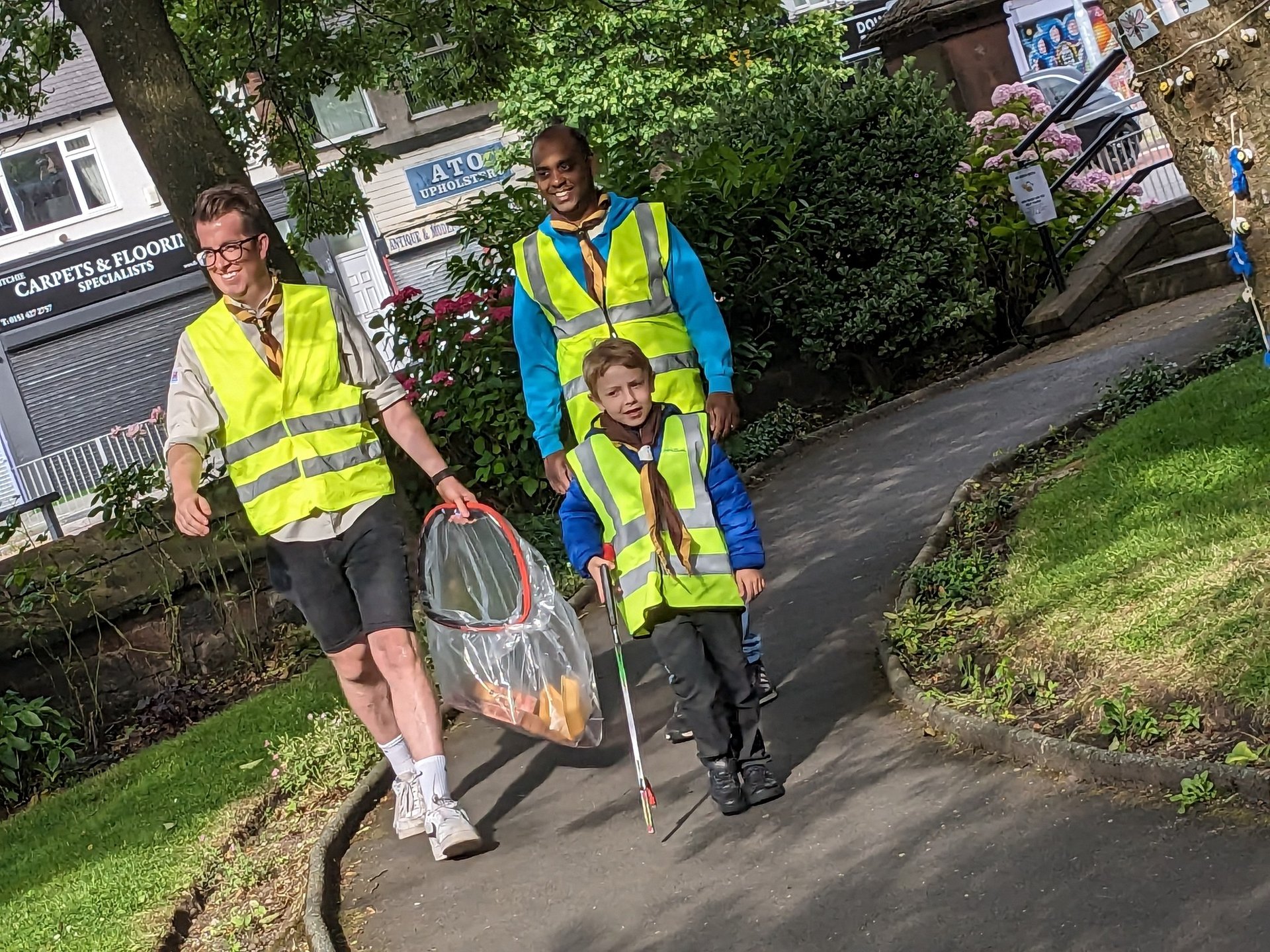
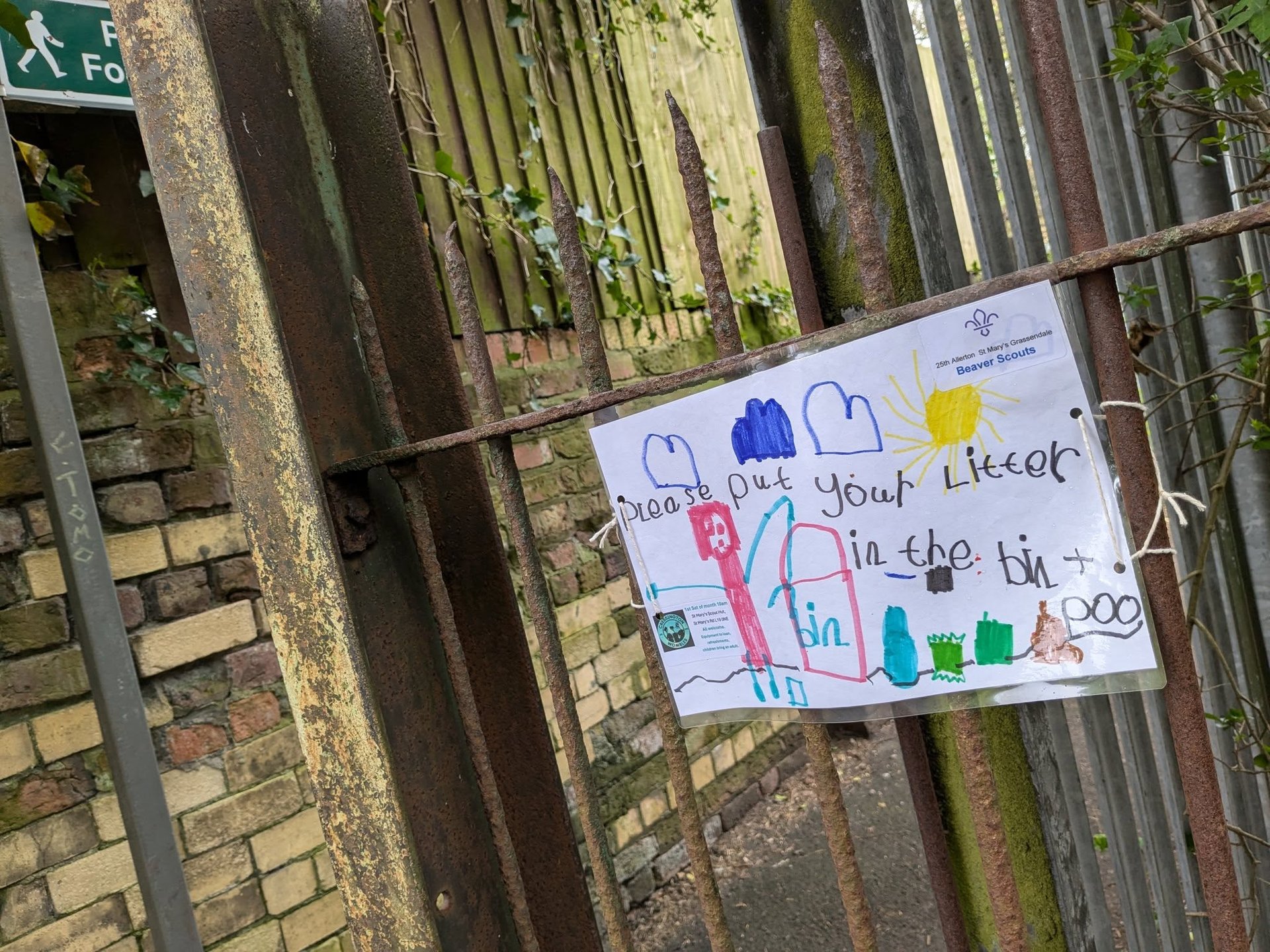
It grows out of what our Beavers started in October 2023: the monthly Cressington Wombles litter pick, where recent picks have drawn 40 or more people from across the area.


The route
From Garston village to Aigburth Vale
The trail follows St Mary's Road through Garston village, then Aigburth Road to Aigburth Vale. It joins the planting that's already there to six new junction gardens in stage 1, with at least two in Garston, where green space is hardest to reach. We've walked the route and photographed the possible sites; the final six will be chosen with residents, schools and Liverpool City Council's Highways team.
More kinds of flower, more kinds of insect
Every junction has a different theme, so the trail as a whole carries a wide mix of plants: early spring bulbs to late autumn flowers so there's no hungry gap, open and long-tubed flower shapes for short- and long-tongued bees, night-scented plants for moths, and native wildflowers on a few wider verges. At least two-thirds of the plants at every junction must be good for pollinators.
What each new junction gets
A self-watering railing planter and a low-mounted lamp-post planter (no hanging baskets, no ladders), a small pocket bed of about 3 m² where there's room, and a sign with the junction's theme and a QR code to the trail map. Every junction is weeded by hand, never sprayed.


Day and night
The trail is planted for moths and bats as well as bees.
Night-scented, moth-friendly plants in the junction planting lists
No new lighting near the Grassendale bat corridor
Bat boxes only at darker sites, never on lamp posts
Native wildflowers on a few wider verges
Moth-trap mornings and, we hope, a bat walk with local enthusiasts
Part of the city region's nature plan
The Aigburth Road verges are mapped in the Liverpool City Region Local Nature Recovery Strategy as a roadside grassland corridor, and the whole route lies in its urban opportunity area. Every insect count we do before and after planting adds to the national picture through the UK Pollinator Monitoring Scheme.

Lead or join a junction team
Each junction has one keen local in charge, with neighbours, pupils and shops helping to plant, water, weed and choose the theme. Every team gets a tool bag, gloves, a watering can and a junction lead tabard.


Schools and families
A local beekeeper visits schools on the route; pupils design their nearest junction, grow plants for it and count the insects before and after planting. Schools can also join composting workshops at our Scout hut, and families are always welcome at the monthly Wombles litter pick.
Gardeners, churches and businesses
Already growing something on the route? Tell us, and we'll add it to the trail map. Businesses can let a junction team fill watering cans, join a planting day or look after a planter. We're not asking for money; if you'd like, your name goes on the junction sign as a friend of the garden.


Where we are now
We're applying to the Liverpool City Region Community Environment Fund and gathering support from neighbours, schools and councillors. Nothing is planted until the funding and the Council's Highways licence are in place.
The plan for 2027
January: funding decision
Spring: Highways licence; bee sessions and design workshops in schools
May to June: planting days at each junction
Summer: insect counts and a junction competition
November: stage 1 complete
Register your interest
Live near a junction on the route, run a shop, look after a garden or planter already, or teach at a school nearby? Email us with your name, where you are and how you'd like to help. Even "yes, sounds good" helps.

Get in touch
Address
The Scout Hut,
St Mary's Road,
Grassendale
Liverpool
L19 0NE
Contacts
info@25th-allerton.com
Discover the 25th Allerton Scout Group in Liverpool, Merseyside, where young adventurers can explore, learn, and grow together.